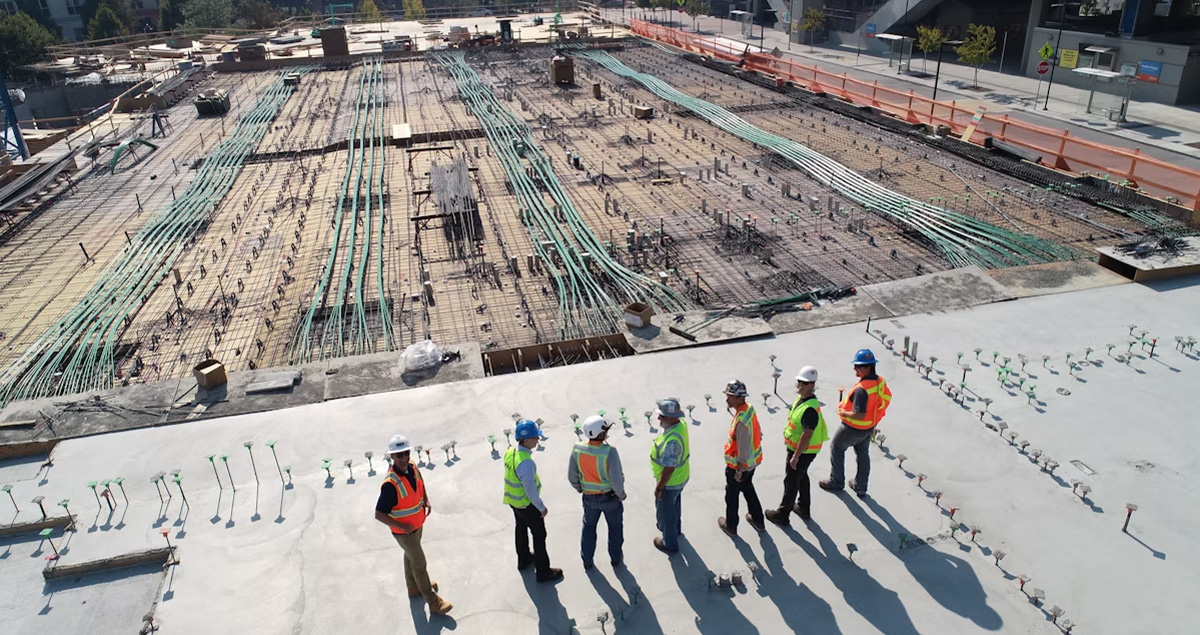
How a lower initial quote can lead to extensive repairs, productivity leakage, and compounding lifecycle costs.
For many companies, the first instinct during an office fit-out is simple: compare quotations, negotiate harder, and select the lowest price. On paper, it feels like a smart financial decision. But in reality, the cheapest office fit-out often becomes the most expensive mistake a business can make.
A corporate workspace is not a temporary decorative expense. It is a daily operating environment. It affects how employees work, how clients perceive the company, how smoothly operations run, and how much the organization spends on maintenance after handover.
The problem begins when quotations are compared only by the final number. Two vendors may submit proposals for the same office area, but the hidden difference lies in: Material specifications & core grades Hardware quality and duraiility Electrical safety standards Lighting lumen output and color rendering HVAC coordination and thermal comfort Acoustic treatments & speech privacy Supervision standards and post-handover support
One quote may look cheaper simply because important elements have been reduced, ignored, or vaguely mentioned. This is where the hidden cost begins.
---
A low-cost chair may save money today but create discomfort and lower productivity over time. Poor lighting may reduce initial expense but increase eye strain, fatigue, and employee dissatisfaction. Weak acoustic planning may make the office noisy and distracting. Inferior materials may start showing wear within months. Poorly coordinated MEP services may create repeated maintenance issues. Bad workmanship may lead to rework, delays, and operational disturbance.
In short, what you save during execution, you may pay back through repairs, complaints, inefficiency, and brand damage.
---
A smart office fit-out decision must therefore be based on lifecycle value, not just project cost. Before approving a proposal, companies should ask: 1. Are the material specifications clearly defined? 2. Is the scope complete? 3. Are electrical, HVAC, lighting, and fire-safety systems properly coordinated? 4. Is the timeline realistic? 5. Is there a quality-control process? 6. What happens after handover if issues arise?
The cheapest quote answers only one question: "How little can we spend today?" The right design-build partner answers a far more important question: "How well will this office perform for the next five to ten years?"
A well-planned office does more than look good. It reduces maintenance stress, supports employee comfort, improves space efficiency, strengthens brand credibility, and protects the company's investment. That is why corporate interiors should never be judged only by cost per square foot. They should be judged by performance per square foot.
Planning a new office or renovation? Book a Workspace Audit to understand whether your fit-out budget is truly optimized — or silently compromised.
Our Corporate Workplaces portfolio features high-performance spaces including: Shubh Plastics, Neotra, PNBHL.
EXPLORE RELATED CORPORATE WORKPLACES PROJECTS EXPLORE MORE PROJECTS